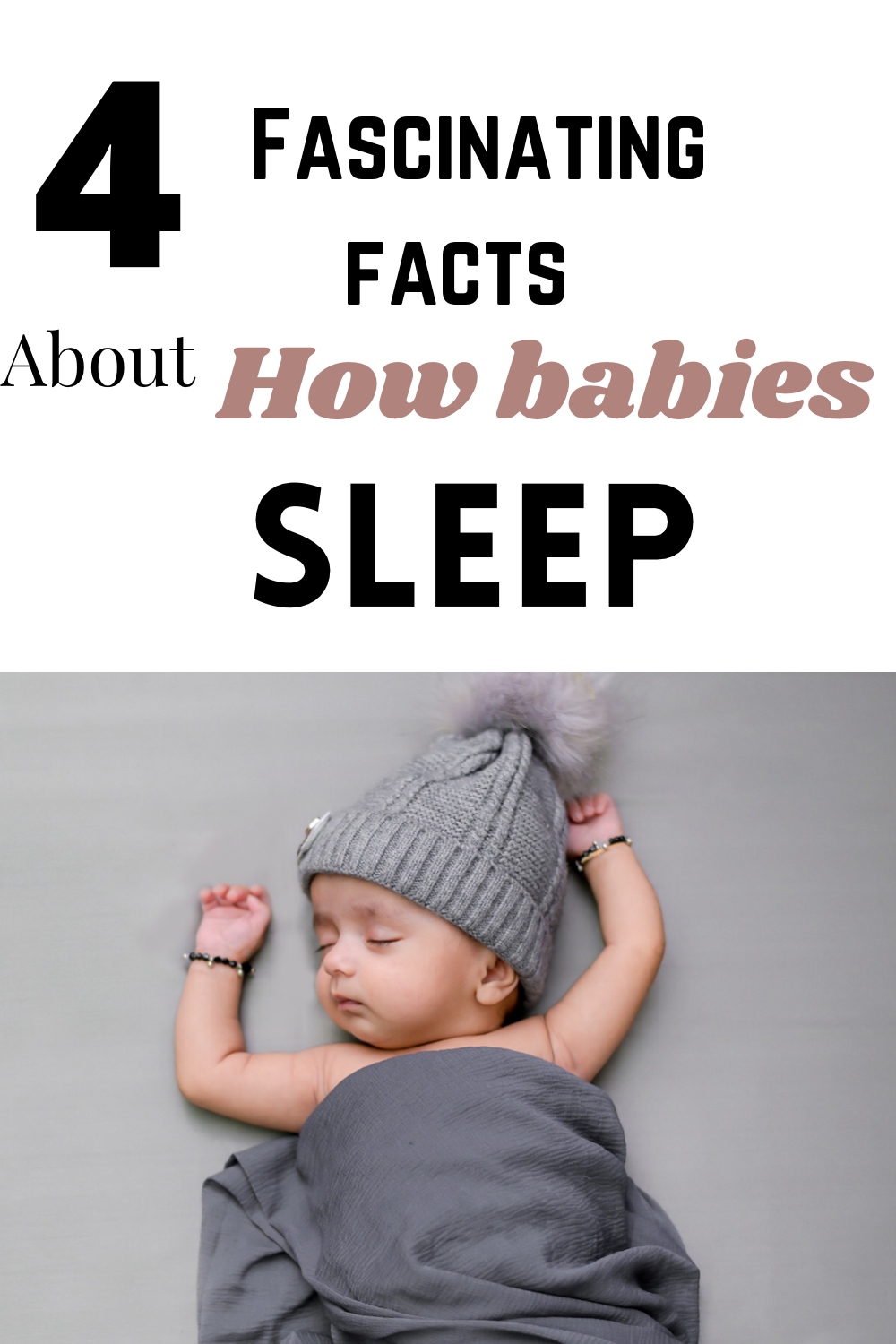
When people use the phrase “sleeping like a baby”, they’re probably not being literal, and that’s because new parents are usually tired and exhausted trying to find the best strategies for getting their little ones to sleep.
While we can’t erase the exhaustion that comes with taking care of a baby, we can help you worry a little less, and take some comfort in the fact that some of your baby’s sleep habits are not a cause for alarm, but are actually markers of good health. These are:
This post contains affiliate links. If you use these links to buy something we may earn a commission. Thanks.
#1 Baby Sleep Patterns Are Different from Adult Sleep Patterns
We adults depend on circadian rhythms to regulate our sleep patterns – that is, the timing and duration of sleeping hours – but babies aren’t born with a built-in biological clock already ticking.
The rhythm takes time to develop, which is why newborn sleep schedules are so erratic and unpredictable. A normal infant won’t have a regular sleep pattern until they’re about 3 to 6 months old.
Moreover, even after sleep patterns are established, babies will still sleep differently, because they don’t go through the stages of sleep the same way adults do. We go through one sleep cycle – from light sleep to REM sleep – every 90 minutes or so.
It only takes about 50 minutes for babies, and they don’t catch up to the adult standard until they reach their toddler years.
Click here to Discover the Scientifically Proven Solution That Gets Your Baby to Sleep like Clockwork It works even if everything else failed. Proven by 17,643 well rested parents (and counting)
#2 Babies Are Light Sleepers
You probably know this already, but have you asked yourself why?
For one, it has to do with those shorter sleep cycles. Infants, particularly newborns, may actually wake up between full cycles, so it’s not so much light sleeping as it is actually learning how to sleep properly.
On top of this, babies spend about the same amount of time in both non-REM (quiet) and REM (active) sleep; compared to adults that spend only about 20% of their slumber in REM sleep.
Deep sleep actually occurs right before REM sleep, and is the last of the three stages of NREM – the other two being part of light sleep.
What does this all mean?
Not only is the infant sleep cycle shorter, but it also includes a lower percentage of deep sleep.
It can take up to 20 minutes of light sleep before your baby sleeps into a deep slumber, and even then, REM sleep ensues shortly after.
This is part of why they need to sleep so often.
#3 When It Comes to Daytime Naps, Every Baby Is Different
Let’s settle this, before doctors and other health professionals get into an uproar. Yes, there are ideal numbers: A good nap is generally considered to be at least about an hour and a half in length. There are also commonly prescribed amounts of naps per day, depending on age range—three to four naps from three to five months, two to three naps from six to nine months, and up to two thereafter and into the toddler ages. Newborns don’t nap, as much as they have short windows of waking moments, in between sleeping periods of two to four hours at a time throughout the entire day.
Your baby’s actual sleep habits may be close to this, or completely different—depending on factors such as temperament, environment, daily routine, and more.
If your baby’s naps are unusually short, but they nap more often or sleep through the night with relative ease—waking only to feed—that’s fine.
If your baby naps for more than an hour and a half but takes less naps overall, that’s fine, too.
What’s most important is the total number of hours spent sleeping in a day—about 11 to 18 hours, depending on the baby’s age.
The point is that your baby hasn’t read the baby books you have, and they don’t understand what their pediatrician says during checkups.
As long as they’re happy and healthy, deviating from standard daytime sleep habits isn’t such a big deal.
#4 Babies Process Information and Learn Even During Sleep
Contrary to what some may believe, babies get a lot of sleep.
This is good news, because sleep influences learning and memory; and if that’s true for adults that spend one third of their lives asleep, what more for babies that spend up to 75% of their time in slumber? From training themselves to recognize their parent’s voices, to figuring out working non-verbal cues to express feelings like hunger or pain – and much, much, more – babies learn and test the limits of their environment continuously when they’re awake.
What they learn is then consolidated and bolstered by periods of sleep in between their waking moments.
And even though there’s no conclusive proof that learning while sleeping works with adults — most studies on this actually refer to memory reactivation, which requires previous learning while awake — it can actually work with babies.
Click here to Discover the Scientifically Proven Solution That Gets Your Baby to Sleep like Clockwork It works even if everything else failed. Proven by 17,643 well rested parents (and counting)

 𝚃𝚑𝚎𝚒𝚍𝚎𝚊𝚜